
Silver is defined as both a precious metal and an industrial commodity, making it one of the few assets that serves two distinct economic roles at once. That dual nature is the core reason why young investors buy silver at growing rates. With inflation exceeding 4% in 2026, millennials and Gen Z investors are actively looking for assets that protect purchasing power without requiring the capital that gold demands. Silver fits that need precisely. Goldrockmetalexchange works with investors at every stage of this decision, from first-time buyers to those building structured retirement portfolios.
Why young investors buy silver over other assets
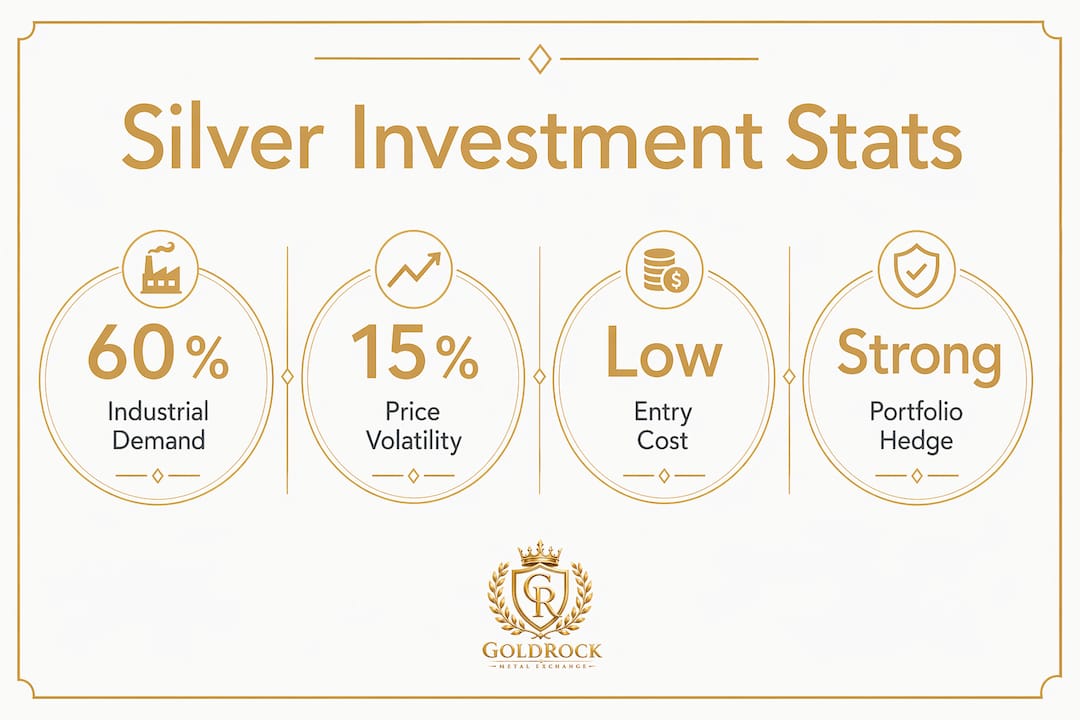
Silver’s most immediate advantage for younger investors is price accessibility. A single ounce of gold can cost more than 80 times the price of a single ounce of silver, which puts gold out of reach for many people just starting to build wealth. Silver lets a young investor enter the precious metals market with a modest budget and still hold a real, tangible asset.
Beyond price, silver carries a structural advantage that gold does not. Approximately 60% of global silver demand comes from industrial applications. That means silver prices respond to real-world manufacturing activity, not just investor sentiment. Solar panels, consumer electronics, and electric vehicles all require silver in their production. A young investor who already uses these technologies every day can see the demand story clearly.
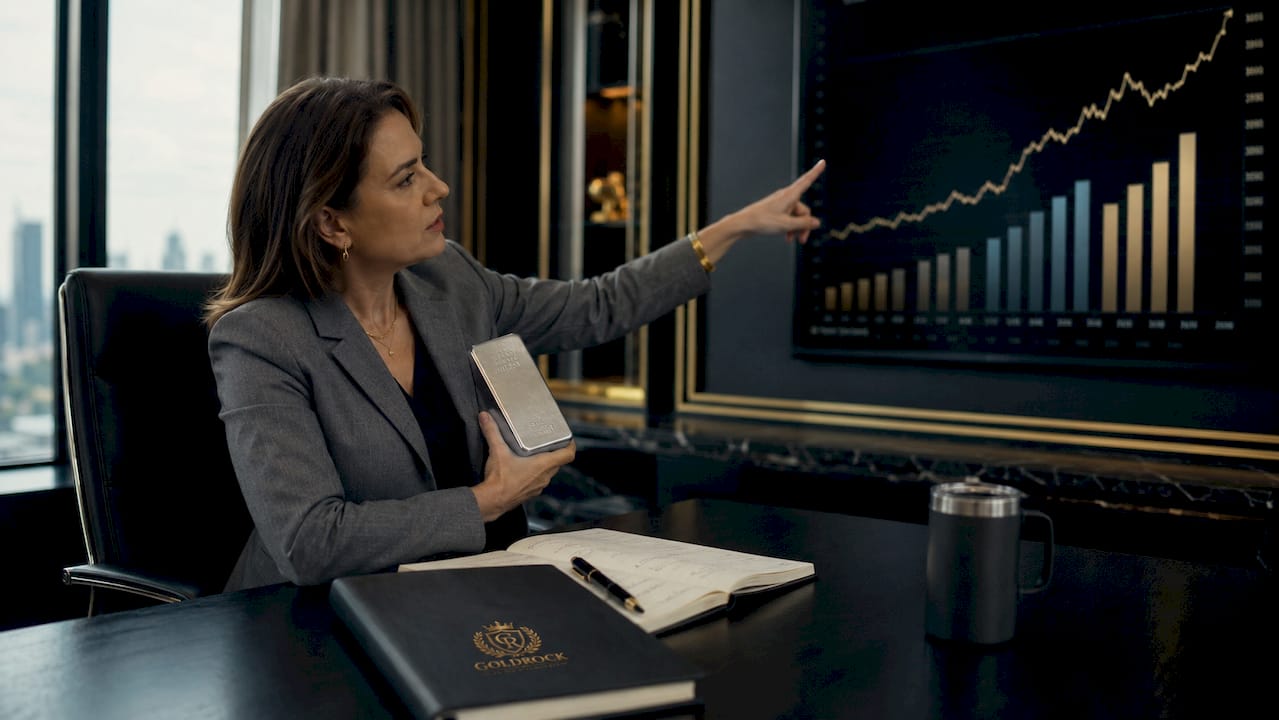
Silver also offers higher growth potential than gold, though that comes with more price swings. Gold functions primarily as a store of value and tends to move steadily. Silver moves faster in both directions, which suits younger investors with longer time horizons who can absorb short-term volatility in exchange for stronger upside.
| Feature | Gold | Silver |
|---|---|---|
| Cost per ounce | High | Low to moderate |
| Primary demand driver | Investment and central banks | Industrial and investment |
| Price volatility | Lower | Higher |
| Growth potential | Moderate | Higher |
| Best suited for | Capital preservation | Growth with diversification |
Pro Tip: If you are new to precious metals, starting with silver lets you learn how the market behaves without committing large capital. Buy a small position, track it for six months, and adjust from there.
How does silver fit into a young investor’s portfolio?
Silver works as a portfolio diversification tool because it often moves independently of stocks and bonds. When equity markets fall sharply, silver does not always follow. That independence reduces the overall volatility of a mixed portfolio, which is exactly what a young investor building long-term wealth needs.
Financial advisors generally recommend keeping precious metals at 5–10% of a total portfolio. That range is deliberate. Too little silver and it has no meaningful effect on portfolio stability. Too much and the investor takes on the full weight of silver’s price swings without the cushion of other asset classes.
“Silver and gold serve as portfolio diversifiers amid ongoing geopolitical uncertainty. They are not replacements for equities or bonds. They are a buffer against the risks those assets carry.”
Fidelity
Silver also functions as a real asset that sits outside political influence. Unlike stocks or bonds, silver cannot be devalued by a government policy decision or a central bank announcement. That independence appeals strongly to younger investors who grew up watching the 2008 financial crisis and the 2020 market collapse unfold in real time.
The key discipline here is patience. Experts consistently advise treating silver as a long-term holding, not a short-term trade. Young investors who buy silver expecting a quick return often sell at the wrong moment, locking in losses during normal price corrections.
Pro Tip: Set a target allocation and review it once per year. Do not check silver prices daily. Short-term price noise will push you toward decisions that hurt your long-term position.
- Silver moves independently of most traditional equities and bonds.
- A 5–10% allocation is the range most financial advisors recommend.
- Silver is a real asset with no counterparty risk.
- Long-term holding reduces the impact of short-term volatility.
- Avoid speculative behavior; treat silver as a structural portfolio component.
What investment vehicles do young investors use to buy silver?
Silver ETFs recorded record inflows from Gen Z and retail investors in late 2025 and early 2026. The reason is straightforward: ETFs trade on standard brokerage platforms, require no storage, and can be bought or sold in seconds. For a generation that manages most of its financial life through apps, that accessibility matters.
Physical silver, by contrast, requires storage and insurance. It also carries a premium over the spot price when purchased from a dealer. Those costs are real, but so are the benefits. Physical silver is a tangible asset you own outright. It carries no platform risk, no counterparty exposure, and no dependency on a brokerage remaining solvent.
Systematic Investment Plans, or SIPs, applied to silver ETFs are a practical strategy for younger investors. A SIP commits a fixed dollar amount to silver purchases on a regular schedule, regardless of price. This approach averages out the cost of entry over time and removes the temptation to time the market.
- Silver ETFs: Trade on standard brokerage accounts, highly liquid, no storage required.
- Physical silver bullion: Coins and bars held directly, tangible ownership, requires secure storage.
- Silver coins: Legal tender in many countries, collectible premium possible, widely recognized.
- Silver futures: High-risk, complex instruments suited only for experienced traders.
- Silver in a self-directed IRA: Tax-advantaged retirement vehicle; Goldrockmetalexchange offers a dedicated silver IRA service for this purpose.
Pro Tip: If you want physical silver but are concerned about storage, ask Goldrockmetalexchange about insured private delivery and storage options. The cost is often lower than investors expect.
What risks should young investors understand before buying silver?
Silver is more volatile than gold, and that volatility is the primary risk young investors need to understand before entering the market. Price swings of 20% or more within a single year are not unusual for silver. That kind of movement can be profitable for patient investors, but it can also cause panic selling at exactly the wrong time.
Several macroeconomic factors drive silver’s price in the short term. Rising interest rates tend to depress silver prices, while high inflation typically increases demand. Currency strength also plays a role, since silver is priced in US dollars globally. A stronger dollar makes silver more expensive for international buyers, which can reduce demand and push prices lower.
Young investors should also recognize that silver’s industrial demand creates a different kind of risk. If global manufacturing slows, demand for silver in electronics and solar panels falls, and prices can drop even when inflation is high. Silver does not behave like a pure monetary metal in those conditions.
- Understand volatility before you invest. Know that silver can drop sharply and hold that position for months before recovering.
- Do not overallocate. Keeping silver within the 5–10% range limits the damage from a major price correction.
- Watch macroeconomic signals. Interest rate decisions by the Federal Reserve directly affect silver’s short-term price.
- Avoid speculative leverage. Futures and leveraged ETFs amplify losses as easily as they amplify gains.
- Plan your exit strategy. Decide in advance at what price or life event you would sell, and stick to that plan.
The role of precious metals in crisis periods is well documented. Silver has historically recovered from sharp drawdowns when the underlying demand fundamentals remain intact. The investors who benefit most are those who hold through the volatility rather than reacting to it.
Key Takeaways
Silver is the most accessible entry point into precious metals investing for young adults, and its dual role as an industrial and monetary asset makes it uniquely suited to long-term portfolio diversification.
| Point | Details |
|---|---|
| Affordability drives entry | Silver costs far less per ounce than gold, making it accessible for smaller budgets. |
| Industrial demand adds stability | Roughly 60% of silver demand comes from manufacturing, giving prices a real-world foundation. |
| Allocate 5–10% of your portfolio | Financial advisors recommend this range to balance diversification benefits against volatility risk. |
| ETFs offer the easiest access | Silver ETFs trade on standard platforms with no storage costs, ideal for first-time investors. |
| Long-term holding is the strategy | Silver rewards patience; short-term speculation typically leads to losses during normal corrections. |
Silver investing is a long game, not a shortcut
I have watched a lot of young investors come into precious metals with the wrong expectation. They see silver spike 15% in a month and assume that is the normal experience. Then the price corrects, they sell, and they walk away convinced silver does not work. The problem was never silver. The problem was the time horizon.
The technological relevance of silver in clean energy and electronics is genuinely compelling for younger generations. These are industries they interact with daily. That conviction is a real asset when silver prices drop and the temptation to sell is strongest. If you understand why you own something, you hold it through the noise.
What I tell every young investor who asks about silver is this: treat it like a foundation, not a bet. A 5–10% allocation to physical silver or a silver ETF, held consistently over a decade, does exactly what it is supposed to do. It reduces your portfolio’s sensitivity to stock market crashes, it protects against inflation eroding your purchasing power, and it gives you exposure to industrial demand growth in sectors that are not going away. The crisis-proof wealth argument for silver is not theoretical. It has played out repeatedly across different economic cycles.
The investors who benefit most from silver are not the ones who bought at the perfect moment. They are the ones who bought a reasonable amount, held it, and did not let short-term price moves change their plan.
— Blake
Getting started with silver through Goldrockmetalexchange
Goldrockmetalexchange offers a full range of physical silver products including bullion coins and bars, along with a dedicated IRA department that helps young investors include silver in tax-advantaged retirement accounts. Every purchase comes with insured private delivery, so your assets arrive securely without the logistics headache most new investors worry about.

The team at Goldrockmetalexchange also provides personalized consultations, which means you get guidance matched to your actual budget and goals, not a generic recommendation. Whether you want to start with a single ounce of physical silver or build a structured precious metals IRA, the process is straightforward. Reach out to Goldrockmetalexchange directly to talk through your options with someone who knows the market.
FAQ
Why do young investors prefer silver over gold?
Silver costs significantly less per ounce than gold, making it accessible for investors with smaller budgets. Its higher growth potential and industrial demand in sectors like solar energy and electronics also appeal to younger demographics.
Is silver a good investment for millennials in 2026?
Silver is a strong diversification tool for millennials, particularly with inflation above 4% in 2026 driving demand for inflation-resistant assets. Financial advisors recommend a 5–10% allocation to precious metals as part of a balanced portfolio.
What is the safest way to buy silver as a young investor?
Silver ETFs offer the lowest barrier to entry with no storage requirements, while physical silver from a reputable dealer like Goldrockmetalexchange provides direct ownership with insured delivery. The right choice depends on whether you prioritize liquidity or tangible ownership.
How volatile is silver compared to other investments?
Silver is more volatile than gold and most blue-chip equities, with price swings of 20% or more within a single year being common. That volatility creates both risk and opportunity, which is why a long-term holding strategy is consistently recommended.
Can young investors hold silver in a retirement account?
Yes. A self-directed IRA allows investors to hold physical silver and other precious metals as part of a tax-advantaged retirement strategy. Goldrockmetalexchange has a dedicated IRA department that handles the transfer and setup process directly.