

Buy physical gold in six moves: decide what form fits your budget, verify a reputable dealer, check the spot price against the dealer’s premium, choose a payment method, arrange insured storage, then confirm delivery and keep your paperwork. The World Gold Council frames physical gold as a long-term store of value, not a trade you flip in a week, and the IRS has specific rules if you’re buying inside a retirement account. GoldRock Metal Exchange walks clients through each step below. Most first-time buyers do fine starting with a 1 oz sovereign coin or a small fractional coin if the budget is tight.
- Decide on coin, round, or bar
- Set your budget and target allocation
- Verify the dealer’s credentials
- Lock the price and pick a payment method
- Arrange storage and insurance
- Confirm delivery and file your records
Key Takeaways
Buying physical gold successfully comes down to verifying your dealer, understanding total landed cost, and arranging storage before your metal ever ships.
| Point | Details |
|---|---|
| Start small and simple | A 1 oz sovereign coin like the American Gold Eagle balances liquidity and premium for first purchases. |
| Compare landed cost, not sticker price | Add premium, shipping, insurance, and payment fees before judging any quote. |
| Wire or check beats credit card | Card payments often carry a 3% to 4% surcharge that wire and check avoid. |
| Arrange storage before delivery | Home safe, bank box, or vaulted storage each carry different costs and insurance needs. |
| Work with a documented, transparent dealer | GoldRock Metal Exchange publishes its pricing, verification, and insured delivery process for both direct purchases and IRA rollovers. |
Table of Contents
- Steps to Buy Gold: The Full Purchase Timeline
- What Types of Physical Gold Should You Buy First?
- How Do Spot Price and Dealer Premiums Affect What You Pay?
- How Do You Know If a Gold Dealer Is Trustworthy?
- What Payment Methods Cost the Least When Buying Gold?
- Where Should You Store Gold After You Buy It?
- How Do You Verify That Gold Is Authentic?
- How Does Buying Gold Inside a Self-Directed IRA Work Differently?
- Your Purchase-Day Checklist
- What Happens When You’re Ready to Sell?
- Common Mistakes I’ve Seen First-Time Buyers Make
- Ready to Buy? Here’s How GoldRock Metal Exchange Helps
- Sources
Steps to Buy Gold: The Full Purchase Timeline
Step one starts before you ever contact a dealer. Decide how much of your portfolio you want in metal, then pick a product size that matches that number. A $2,000 budget behaves differently with a 1 oz coin than it does split across five 1/10 oz coins, which carry higher premiums per ounce.
Step two is dealer verification, and it should take you 15 to 30 minutes, not a weekend. Check business registration, look for a documented buyback policy, and confirm the dealer publishes real pricing rather than “call for quote.”
Step three is price and payment. Dealers typically lock your price for a short window, sometimes just minutes, once you commit to a payment method. Bank wire and check tend to lock in the lowest total cost; credit cards often carry a surcharge of 3% to 4% that gets added straight to your invoice.
Step four is shipment and receipt. Wire payments usually clear in one to two business days, after which the dealer ships insured and often signature-required. Check payments can add a week for clearing before anything moves. Total time from order to doorstep commonly runs 5 to 12 business days depending on payment method and product availability.
Step five, once metal arrives, is verification and storage, covered in detail further down.
Pro Tip: Paying by wire or check instead of credit card on a $5,000 order can save you $150 to $200 in surcharges alone, money better spent on an extra tenth-ounce coin or a year of vault storage.
What Types of Physical Gold Should You Buy First?
Coins, rounds, and bars all deliver the same metal, but they behave differently when you go to sell. Sovereign coins minted by national governments, like the American Gold Eagle, American Gold Buffalo, Canadian Maple Leaf, and South African Krugerrand, carry government backing and universal recognition, which makes them the easiest to resell anywhere. That recognition costs a bit more upfront in premium.
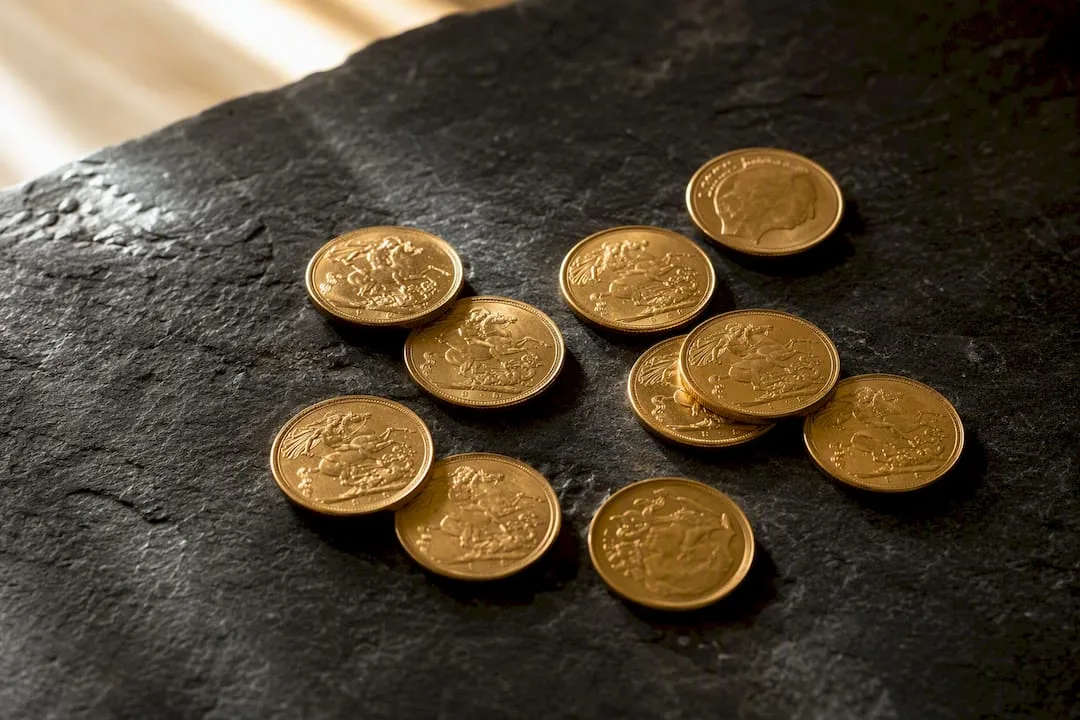
Private mint rounds look similar to coins but aren’t legal tender anywhere, so they typically sell for less over spot but can be slightly harder to move to a new buyer who doesn’t recognize the mint.
Investment-grade bars, sized at 1 oz, 10 oz, 100 g, and 1 kg, usually carry the lowest premium per ounce, especially at larger weights, but they trade slightly less freely than a recognized sovereign coin and often need serial-number verification at resale.
For a true first purchase, a 1 oz American Gold Eagle or Canadian Maple Leaf is a reasonable starting point. You pay a bit more in premium, but you gain a product almost any dealer will buy back without argument. Browse current options in GoldRock’s coin examples guide before you commit to a size.
How Do Spot Price and Dealer Premiums Affect What You Pay?
Spot price is the wholesale price of gold trading right now on global markets. It changes by the second. What you actually pay is spot plus the dealer’s premium, which covers minting, distribution, and dealer margin, and that premium is where product choice really shows up in your final invoice.
Here’s the math on a $2,600/oz spot day. Add shipping, insurance during transit, and any payment surcharge, and you’ve got your landed cost, the number that actually matters when comparing two dealers.
By the Numbers: Payment method alone can swing your total cost by 3% to 4% on a single order, according to industry data on dealer payment practices. On a $2,700 coin purchase, that’s the difference between roughly the base price and a slightly higher amount due to payment surcharges.
Before comparing quotes side by side, check these line items:
- Exact product SKU and mint (not just “1 oz gold coin”)
- Stated purity or fineness
- Premium percentage over spot, in writing
- Shipping cost and carrier
- Insurance coverage during transit
- Written return and buyback policy
GoldRock Metal Exchange publishes premium and shipping terms up front, which is exactly what you want to see from any dealer explaining its own process. Learn more about how premiums get set in this gold premium explainer.
How Do You Know If a Gold Dealer Is Trustworthy?
Verification takes minutes and saves you from the two most common first-timer regrets: overpaying and dealing with a seller who vanishes after the wire clears. Run through this checklist before you send any money.
- Confirmed business registration and a physical, verifiable address
- Membership in recognized industry associations
- Clearly published, itemized pricing (not “call for our best price”)
- Documented insured shipping with tracking and signature confirmation
- A written buyback or return policy stated before purchase
- Third-party assay documentation available for bar products
Watch for the reverse of each item on that list. A seller who won’t name a business address, insists on wire-only with no invoice, or gets vague about insurance during transit is telling you something. So is a dealer who can’t explain their own premium structure or refuses to put a buyback policy in writing.
If you’d rather skip the guesswork, GoldRock Metal Exchange documents its verification standards and pricing transparently, and you can review the dealer selection best practices GoldRock follows on every transaction. For readers ready to move forward, a quick call to (888) 859-0978 gets you a walk-through of current inventory and pricing before you commit to anything.
What Payment Methods Cost the Least When Buying Gold?
Your payment method changes both your total cost and how fast metal ships. Bank wire is typically the cheapest option and clears fast, usually one to two business days, which means your price lock holds and shipment goes out quickly. Check or eCheck payments often cost the same as wire in fees but take longer to clear, sometimes five to seven business days, which can mean requesting a new price lock if spot moves. Credit or debit cards process instantly but usually carry that 3% to 4% surcharge mentioned earlier, built into the price to cover card network fees.
| Payment Method | Typical Speed | Typical Fee Impact | Price-Lock Behavior |
|---|---|---|---|
| Bank wire | 1 to 2 business days | Lowest | Holds through clearing |
| Check / eCheck | 5 to 7 business days | Low, similar to wire | May require re-lock if delayed |
| Credit / debit card | Instant | 3% to 4% surcharge | Locks immediately |
On the tax side, physical gold held outside a retirement account is generally taxed as a collectible when sold at a gain, and metals purchased inside an IRA follow the recordkeeping and distribution rules laid out in IRS Publication 590-A. GoldRock Metal Exchange doesn’t provide personalized tax advice, and neither should any guide, so talk to a qualified tax professional about your specific situation.
Keep these records regardless of account type: your itemized invoice, any assay certificate or bar serial number, the shipping and tracking record, and the insured-value receipt. You’ll need all four if you ever sell or if a tax question comes up years later.
Where Should You Store Gold After You Buy It?
Storage decisions should happen before your order ships, not after the box arrives. Three main options exist, and the right one depends mostly on how much you’re holding.

A home safe works for smaller holdings, generally under $10,000 to $15,000 in metal, and the cost is a one-time safe purchase plus whatever it takes to add a rider or floater to your homeowner’s policy, since standard policies often cap bullion coverage at a few hundred dollars.
A bank safe deposit box adds a modest annual fee and physical access limited to banking hours, and it’s worth checking whether your bank’s own insurance actually covers contents, because many don’t automatically.
Professional vaulted storage charges an annual fee based on a percentage of value, which makes sense once your holdings grow large enough that insurance and security outweigh the convenience of home access. Read GoldRock’s breakdown of storage options for a closer look at each tier.
- Small holdings: home safe plus insurance rider
- Medium holdings: bank safe deposit box or entry-level vaulting
- Large holdings: professional vaulted storage with full insurance
Pro Tip: Call your homeowner’s insurance provider before you buy, not after. Most standard policies cap jewelry and bullion coverage well below what a serious purchase is worth, and a floater usually costs far less than the peace of mind is worth.
How Do You Verify That Gold Is Authentic?
Reputable dealers ship metal with documentation, and you should verify it the moment it arrives rather than tucking it into a drawer unchecked. Bars typically come with a serial number and, for larger sizes, an assay certificate from the refiner. Coins carry mint specifications you can check against published weight and dimension standards from the U.S. Mint or the issuing country’s mint.
On receipt, run through this quick verification:
- Weigh the item on a calibrated scale and compare to published mint specs
- Measure diameter and thickness against official tolerances
- Compare surface details to reference photos from the mint
- Record any serial numbers or assay certificate numbers in your own file
- Request third-party assay if anything feels off before you accept the shipment
Keep every document with your purchase invoice. You’ll want the full paper trail when it’s time to resell.
How Does Buying Gold Inside a Self-Directed IRA Work Differently?
Buying inside a self-directed IRA adds a custody layer that a regular purchase doesn’t have. You can’t just buy coins and put them in your own safe, the IRS requires IRA-held metals to sit in a qualified depository, and only certain products qualify at all.
- Open or fund a self-directed IRA with an approved custodian
- Confirm which coins and bars are IRA-eligible under IRS rules
- Select your metals through a dealer that works with your custodian
- Complete the rollover or transfer paperwork
- The custodian purchases and holds the metal in an approved depository
The IRS governs eligibility and distribution rules for these accounts, and prohibited transactions, like taking personal possession of IRA-owned metal before distribution, carry real tax consequences. Keep every custodian statement and purchase confirmation for your own records.
Before starting a rollover, confirm metal eligibility, understand your custodian’s fee schedule, and clarify how your depository storage is billed. GoldRock’s in-house IRA department walks new clients through each of these before any transfer begins, and the Gold IRA Rules guide covers eligibility requirements in more depth.
Your Purchase-Day Checklist
Print this before you place your first order.
Before ordering:
- Set your budget and target metal allocation
- Decide on coin, round, or bar based on liquidity needs
- Verify your dealer against the checklist above
- Decide where the metal will be stored before it ships
During payment:
5. Confirm the locked price in writing before sending funds
6. Choose bank wire or check to minimize surcharges
7. Save the invoice and price-lock confirmation
On receipt:
8. Inspect the shipment before signing for it
9. Weigh and verify against mint specs
10. File the invoice, assay documents, and insured-value receipt together
A typical online purchase paid by wire runs roughly this timeline: day 0, order placed and price locked; day 1 to 2, wire clears; day 3 to 5, dealer ships insured; day 7 to 10, metal arrives and gets verified. Check payments push the whole sequence out by roughly a week.
What Happens When You’re Ready to Sell?
Selling gold isn’t instant, and pricing rarely matches what you paid. You typically lose some of the original premium on resale, a concept sometimes called premium recapture loss, because buyers pay closer to spot for anything except the most recognizable sovereign coins.
Sovereign coins like the American Gold Eagle or Krugerrand tend to sell fastest, often within days through a dealer buyback program, precisely because of the recognition premium you paid going in. Bars and rounds can take longer to place, especially at larger sizes, since fewer buyers want a 1 kg bar sitting in inventory.
- Keep your original invoice and assay documents; missing paperwork lowers your offer
- Dealer buyback is usually fastest; private sale can net more but takes longer
- Expect buyback offers slightly below current spot, reflecting the dealer’s own margin
- Larger bars generally take longer to sell than 1 oz coins or fractional coins
The World Gold Council frames physical gold as a multi-year holding, and that framing matters most right here: plan your purchase size around a horizon of years, not months, so a slow resale market doesn’t force your hand.
Common Mistakes I’ve Seen First-Time Buyers Make
The costliest mistake isn’t overpaying on premium, it’s buying a product size that doesn’t match the budget. Someone with $3,000 to invest sometimes buys a single large bar instead of a coin plus a smaller fractional piece, then has no flexibility to sell part of the position later without liquidating everything.
The second recurring error is treating storage as an afterthought. Metal shows up, sits on a kitchen counter for a week while the buyer “figures out a safe,” and that gap is exactly when a homeowner’s policy limit becomes a real problem instead of a hypothetical one.
The third is paying by credit card out of convenience and eating a surcharge that, on a $4,000 order, can run over $150, money that would have covered a year of vault storage instead. GoldRock Metal Exchange’s documented process exists specifically to catch these decisions before they become expensive, and IRA buyers in particular should loop in the in-house IRA team early rather than after a rollover is already underway.
Ready to Buy? Here’s How GoldRock Metal Exchange Helps
Following every step above manually is doable, but GoldRock Metal Exchange builds the verification, pricing transparency, and insured shipping into a single process, so you’re not cross-checking assay documents and buyback policies on your own. GoldRock sells physical gold, silver, platinum, and palladium directly, arranges insured private delivery on every order, and runs a dedicated in-house IRA department for anyone rolling retirement funds into precious metals.

If you’re weighing a first purchase or considering a rollover, the fastest next step is a direct conversation. Request a Free Precious Metals Consultation through GoldRock’s IRA team or browse current inventory on the product catalog to see live pricing before you decide on a size. You can also call (888) 859-0978 to talk through your budget, product choice, and storage plan with someone who does this every day.
Sources
For deeper detail beyond this guide, these primary and educational sources cover the rules and mechanics in full.
- How To Invest In Different Gold Assets | World Gold Council
- Publication 590-A (Individual Retirement Arrangements)
- How to buy gold | Money
- How to Buy Physical Silver – Bullion News
This article is for educational purposes only and does not constitute investment, tax, or legal advice. Consult a qualified financial, tax, or legal professional before making decisions about precious metals or retirement accounts.
This article is general information, not a substitute for advice from a qualified financial advisor. Consult a qualified financial professional about your own circumstances before acting on anything here.